
Burning, tingling, numbness, weakness, and shooting pain can occur with several nerve-related concerns. Learn how neuropathy and sciatica commonly differ, where their symptoms may overlap, and why an individual evaluation matters before choosing a care plan.
Desert Pine Chiropractic in Bellingham works with people who are trying to understand persistent numbness, tingling, burning, weakness, or pain traveling through the leg or foot.
These symptoms may occur with peripheral neuropathy, sciatica, or another condition. Their location and sensation can provide useful clues, but symptoms alone do not establish the cause.
Neuropathy and sciatica may both involve:
Someone with sciatica may feel numbness or tingling in the foot. Someone with neuropathy may experience burning or shooting discomfort. It is also possible for more than one issue to contribute to the symptoms.
That overlap is why self-diagnosis can be unreliable. Desert Pine begins with an individual assessment to better understand your symptoms, health history, spinal function, and movement before discussing whether chiropractic care may be appropriate.
Peripheral neuropathy is a broad term involving damage or dysfunction of nerves outside the brain and spinal cord.
Depending on which nerves are affected, symptoms may include:
Neuropathy does not follow one single symptom pattern. It may affect the feet, lower legs, hands, or other parts of the body. Some forms affect both sides in a relatively similar pattern, while others may be limited to one area.
Symptoms may develop gradually, remain constant, or change throughout the day.
Diabetes is one possible cause of peripheral neuropathy, but it is not the only one. Other possible causes may include nutritional deficiencies, medications, chemotherapy, autoimmune conditions, infections, physical injuries, nerve compression, and certain kidney, liver, thyroid, or hereditary conditions.
Symptoms alone cannot identify the underlying cause.
A chiropractic evaluation may help determine whether spinal, joint, movement, or other mechanical factors appear relevant. It does not replace medical testing for metabolic, neurological, nutritional, medication-related, vascular, or systemic causes.
A quick side-by-side of two common nerve-pain patterns. These are general patterns clinicians look for, not a diagnosis your provider will ask about location, timing, movement, and health history to understand what's actually going on.
| Comparison Point | Peripheral Neuropathy | Sciatica |
|---|---|---|
| Basic description | A broad condition involving damage or dysfunction of peripheral nerves | Symptoms associated with irritation or pressure involving the sciatic nerve or related nerve roots |
| Common location | May affect the feet, lower legs, hands, or other areas | Often begins near the lower back or buttock and travels into the leg |
| One side or both | May affect one or both sides and can appear relatively symmetrical in some forms | More commonly affects one side |
| Common sensations | Burning, tingling, numbness, reduced sensation, sensitivity, pain, or weakness | Shooting, electrical, burning, tingling, numbness, or weakness |
| Relationship to movement | May not follow a consistent movement-related pattern | May change with sitting, bending, lifting, coughing, sneezing, or certain movements |
| Back or buttock symptoms | Not required | Common, but not always obvious |
| Hands affected | Possible, depending on the nerves involved | Not part of the typical sciatic nerve pathway |
| Balance changes | May occur when sensation or strength in the feet and legs is affected | May occur when pain, weakness, or altered leg function affects walking |
| Can a website diagnose it? | No | No |
This visual is intended to help you organize what you have noticed. It cannot determine the cause of your symptoms.
Many symptoms overlap. Not everyone experiences a condition in the same way, and more than one issue can be present. An evaluation may need to consider your complete symptom pattern, health history, medications, previous injuries, movement, strength, sensation, reflexes, balance, and previous testing.
Where a symptom begins and where it travels can provide useful information, but location is only one part of the evaluation.
A provider may ask:
Pain in both feet does not automatically rule out a spinal or nerve-related concern. One-sided pain does not automatically prove sciatica. Back problems and peripheral neuropathy may also occur at the same time.
The complete pattern matters more than any one symptom.
Educational Callout:
Symptoms may overlap. A professional evaluation is needed to determine which factors deserve further investigation.
At Desert Pine Chiropractic in Bellingham, the goal of the initial visit is not to label every leg or foot symptom as neuropathy or sciatica.
The evaluation is intended to help the doctors understand:
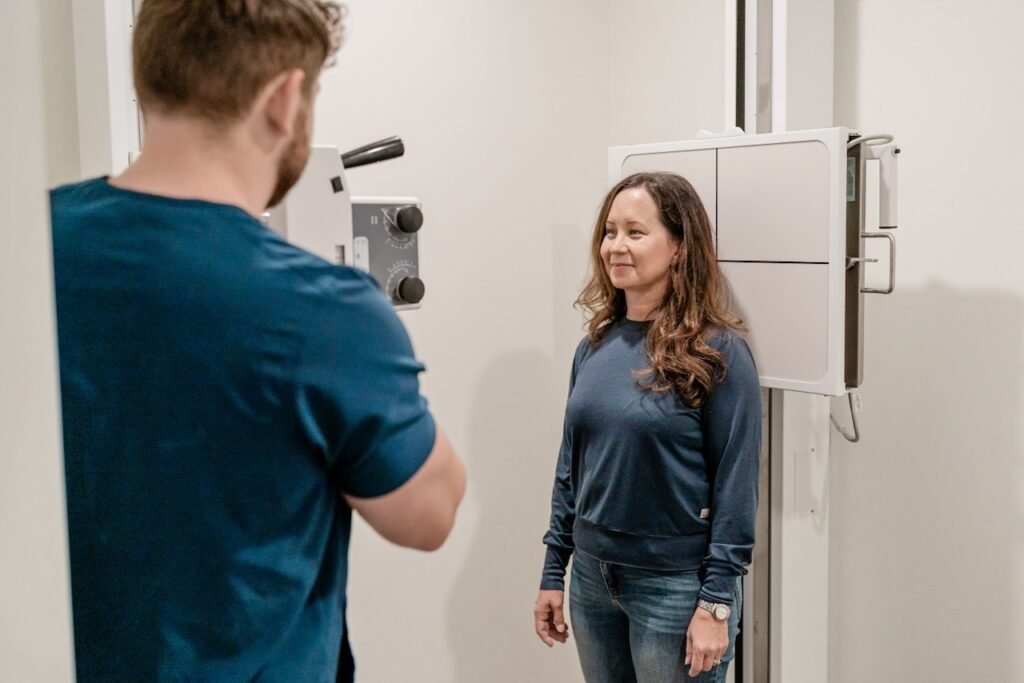
The examination may include movement testing, muscle and nerve-related assessments, evaluation of spinal function, and review of physical restrictions.
Digital X-rays may be recommended when the doctor believes they could provide useful information about spinal structure. Imaging does not independently diagnose peripheral neuropathy or distinguish every case of neuropathy from sciatica.
After reviewing the findings, your Desert Pine doctor will explain what was identified and what the recommended next step may involve.
When blood work, neurological testing, medication review, vascular evaluation, or another type of care may be needed, the doctor may recommend speaking with an appropriate medical professional.
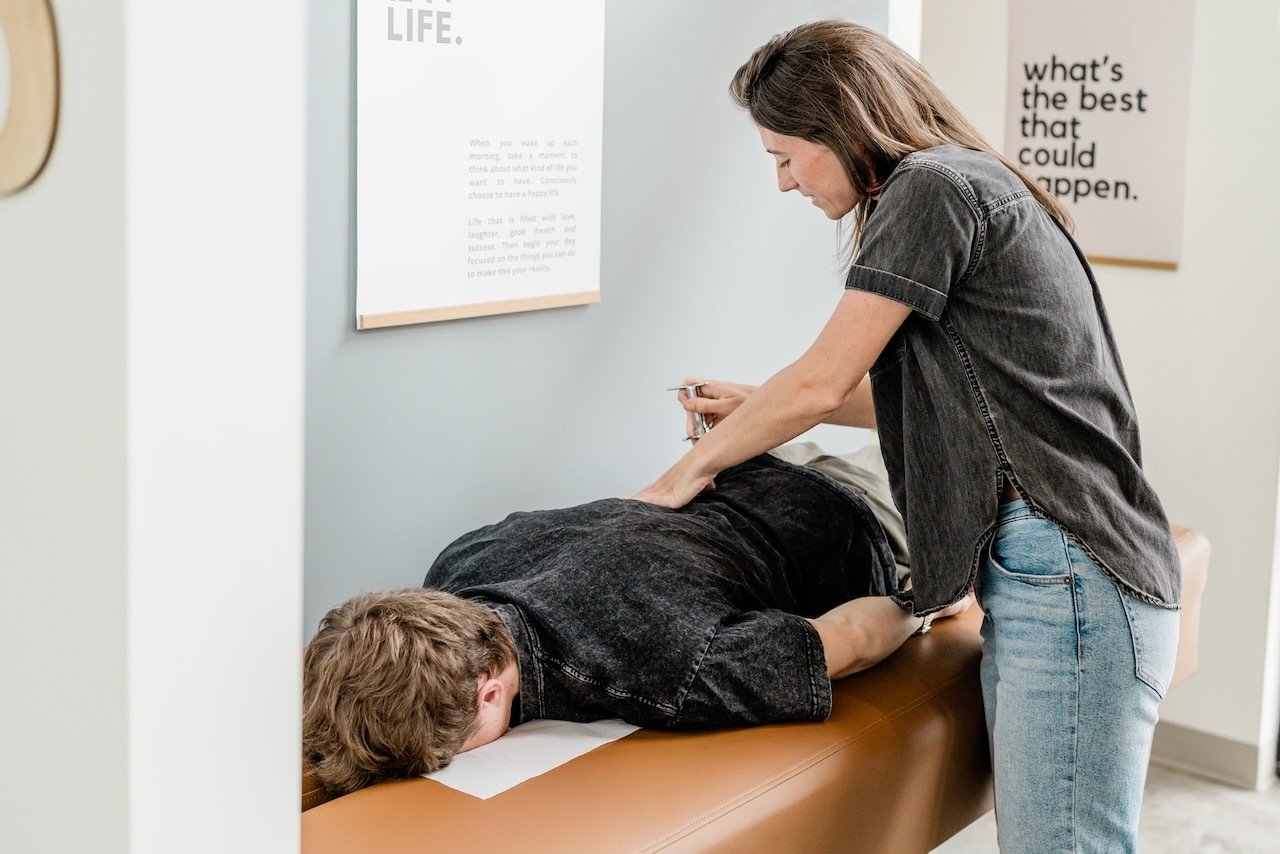
Desert Pine Chiropractic uses Torque Release Technique, a low-force, instrument-assisted chiropractic method.
Rather than relying on forceful twisting or manual cracking, the doctor uses a handheld instrument called the Integrator to deliver a quick and targeted input to selected areas of the spine.
This approach may appeal to people who:
Torque Release Technique is the method Desert Pine uses to provide chiropractic adjustments. It is not a universal treatment for every cause of neuropathy, sciatica, numbness, or nerve pain.
Whether chiropractic care may be relevant depends on the examination findings and whether spinal, joint, movement, or other mechanical factors appear connected to the symptoms.
Neuropathy and sciatica should not automatically receive the same recommendation.
A responsible care plan depends on:
.
Desert Pine may discuss chiropractic care when spinal mechanics, movement restrictions, joint function, or related factors appear relevant.
Chiropractic care does not replace medical management for diabetes, nutritional deficiencies, autoimmune conditions, infections, medication effects, or other systemic causes.
Before beginning care, you should understand:
No website can determine whether you are a candidate for chiropractic care based only on numbness, tingling, burning, or pain.
Your first visit begins with a conversation about what you have been experiencing.
Tell the doctor:
The doctors may evaluate movement, spinal function, muscle response, nerve-related findings, physical restrictions, and other factors connected to your concerns.
Digital X-rays may be recommended when clinically appropriate for evaluating spinal structure.
Your doctor will explain what was identified and whether chiropractic care may be appropriate.
You will have an opportunity to ask:
See what to expect during your first visit at Desert Pine Chiropractic
Most nerve-related concerns are addressed through a scheduled professional evaluation. Certain symptoms should not wait for a routine chiropractic appointment.
Seek immediate medical care for:
New bowel or bladder changes, numbness in the saddle area, and serious or worsening weakness may indicate a medical emergency.
Do not wait for a routine Desert Pine appointment when emergency symptoms are present.
Yes. Sciatica may cause numbness, tingling, burning, or weakness that travels into the foot or toes.
Similar sensations may also occur with peripheral neuropathy and other nerve-related concerns. The symptom location alone cannot establish the cause.
No. Sciatica commonly involves symptoms beginning near the lower back or buttock, but obvious back pain is not present in every case.
Some people primarily notice pain, numbness, or weakness in the leg or foot.
The process begins with a discussion of your symptoms, health history, previous injuries, and previous testing.
The doctors then evaluate relevant movement, spinal, muscle, and nerve-related findings. After reviewing the results, they explain whether chiropractic care may be appropriate or whether another type of evaluation should be considered.
Yes. More than one issue may contribute to a person’s symptoms.
Someone may have a medical condition affecting the peripheral nerves while also experiencing irritation involving the lower spine or sciatic nerve pathway.
An evaluation is needed rather than assuming every symptom has one cause.
Burning discomfort may occur with either condition.
The provider may also consider where the burning occurs, whether it follows a pathway, whether movement changes it, whether both sides are involved, and whether other sensory or strength changes are present.
Numbness, tingling, burning, weakness, and pain traveling through the leg or foot can have more than one possible explanation.
An individual assessment can help determine whether your symptom pattern appears more consistent with sciatica, peripheral neuropathy, another concern, or overlapping factors.
Desert Pine Chiropractic provides gentle, neurologically focused chiropractic care in Bellingham. Our doctors take time to review your symptoms, history, spinal function, and movement before discussing possible next steps.
Chiropractic care is not appropriate for every cause of nerve-related symptoms. Our team will explain when additional medical evaluation may be needed.
1263 Barkley Boulevard, Suite B-103
Bellingham, WA 98226
360-320-6322
The clinic’s current website lists this Bellingham address and telephone number.