
Numbness, weakness, and reduced sensation in the feet can make walking feel less secure. Desert Pine Chiropractic evaluates nerve-related symptoms, movement changes, and relevant spinal findings to help determine what may be contributing to your balance concerns.
Tell our team what you have noticed and ask whether an initial visit may be appropriate.
Changes in balance do not always begin with a serious fall. You may first notice that walking requires more attention, uneven ground feels harder to navigate, or you rely more often on railings, walls, or furniture.
Desert Pine Chiropractic in Bellingham works with people who have noticed changes in foot sensation, walking, stability, or confidence during everyday movement. Peripheral neuropathy may contribute to these problems when numbness or weakness makes it harder to recognize where the feet are positioned.
Balance concerns can also have several other causes. That is why the Desert Pine team begins by listening to what you have experienced and evaluating your symptoms, movement, health history, and relevant neurological and spinal findings.
You do not need to determine the cause before contacting our office. Describe what has changed, when you notice it, and how it affects your daily life.
Peripheral neuropathy affects nerves outside the brain and spinal cord. Depending on which nerves are involved, it may affect sensation, strength, movement, or several of these functions at the same time.
The sensory nerves in your feet help your body recognize pressure, movement, foot position, and changes in the surface beneath you. When this information is reduced or altered, it may become harder to feel the ground or recognize exactly where your feet are positioned.
Weakness in the feet or lower legs may also affect your stride or your ability to recover after a misstep.
Symptoms may include:
These symptoms do not confirm neuropathy on their own. Desert Pine evaluates the full pattern rather than making assumptions based on one symptom.
Learn more about peripheral neuropathy treatment in Bellingham.
Some balance changes are easy to overlook. You may begin adjusting the way you move without realizing how much your daily routine has changed.
You may notice that you:
These experiences do not automatically mean neuropathy is responsible. They are signs that the changes may be worth discussing with a qualified professional.
When you call, let us know if you have noticed:
You do not need to prepare a medical explanation. Simply describe what has changed and how it affects your walking or everyday activities.
Call Desert Pine Chiropractic to discuss what you have noticed and whether an initial visit may be an appropriate next step.
Maintaining balance requires several systems to work together, including your vision, inner ear, muscles, joints, and sensory information from your feet and legs.
When lighting is limited, your body has less visual information available. If sensation in your feet is also reduced, you may have more difficulty recognizing where your feet are positioned or how the ground is changing beneath you.
You may notice that you:
Feeling less stable in low light does not prove that neuropathy is responsible. It is one useful part of the overall symptom pattern to mention during your visit.
People use the word “dizzy” to describe several different sensations.
Some people feel as though the room is spinning. Others feel lightheaded, weak, disconnected from the ground, or uncertain about where their feet are positioned.
When you contact Desert Pine, explain whether you experience:
The distinction matters because different types of balance concerns may require different evaluations. Desert Pine does not assume that every balance problem originates in the spine or peripheral nerves.
Peripheral neuropathy is one possible contributor to balance changes, but it is not the only explanation.
Other possible factors may include:
More than one factor may be present at the same time.
You do not need to decide which explanation fits before calling Desert Pine Chiropractic. Our team can begin by learning about your symptoms and determining whether an initial visit at our Bellingham office may be useful.
Sciatica often involves pain, tingling, numbness, or weakness that travels from the lower back or buttock into one leg. Peripheral neuropathy often begins in the toes or feet and may affect both sides.
These are general patterns, not rules. Symptoms can overlap, and some people may have more than one contributing concern.
Your initial visit at Desert Pine Chiropractic begins with a conversation about what has changed and how it affects your daily life.
The team may ask about:
The purpose of the visit is to better understand your concerns, evaluate relevant findings, and determine which next step may be appropriate.
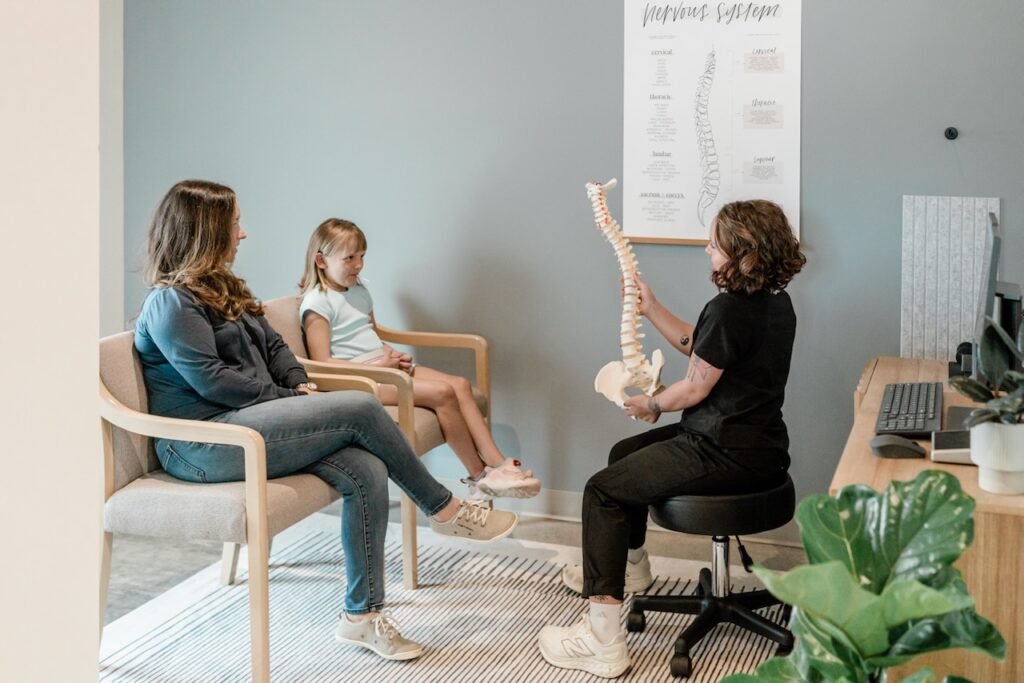
Tell the Desert Pine team when the problem began, what makes it better or worse, and how it affects walking or everyday activities. Your doctor may also ask about previous injuries, health conditions, medications, diagnoses, and relevant testing.
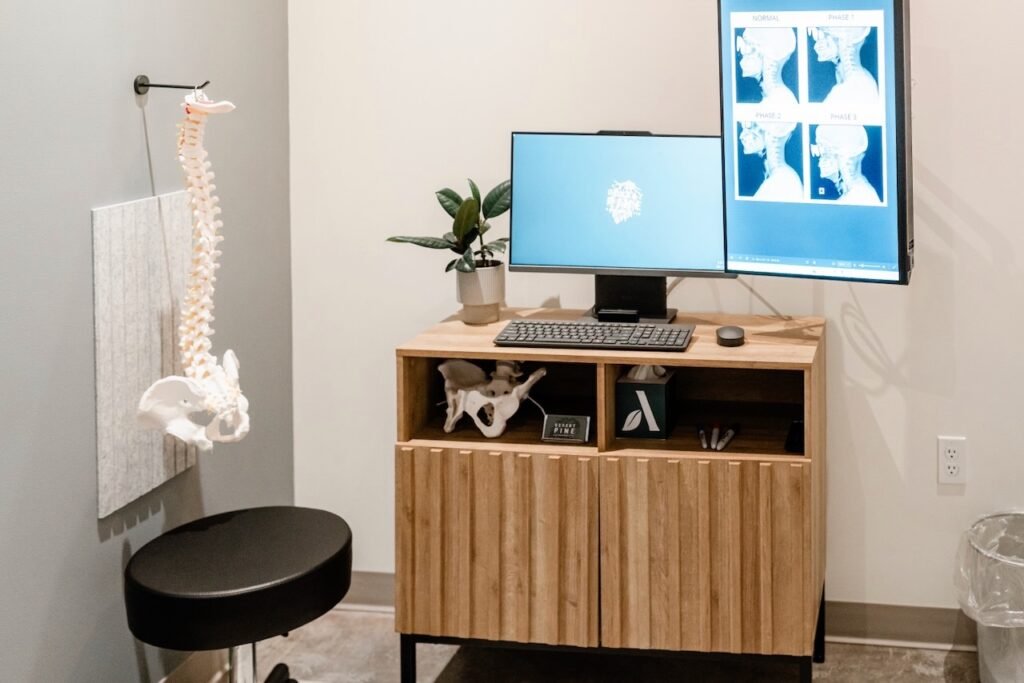
The examination may look at movement, spinal function, muscle response, nerve-related symptoms, and other findings connected to your concerns. Digital X-rays may be recommended when the doctor believes they could provide useful information about spinal structure or related findings. X-rays are not used as a stand-alone test for peripheral neuropathy or balance disorders.
Your Desert Pine doctor will explain what was found and how those findings may relate to the concerns that brought you to the office. Depending on the results, the doctor may discuss a personalized care plan or recommend that you seek another type of evaluation.
Learn what to expect during your first visit.The recommended next step depends on your symptoms, health history, examination findings, and any care you are already receiving.
When relevant spinal, joint, movement, or musculoskeletal findings are present, Desert Pine may discuss a personalized chiropractic care plan.
The clinic uses Torque Release Technique, an instrument-assisted chiropractic method that delivers a controlled, low-force adjustment without the twisting or cracking associated with some manual approaches.
Depending on the findings, your recommended next step may include:
Not every person with balance problems or neuropathy symptoms will be an appropriate candidate for care at Desert Pine.
Chiropractic care should not be presented as a way to reverse peripheral nerve damage, restore all lost sensation, diagnose every cause of imbalance, or prevent every future fall.
Some balance changes should not wait for a routine chiropractic appointment.
Call 911 immediately if sudden trouble walking or loss of balance occurs with:
Prompt medical evaluation may also be needed for:
Do not wait for a routine Desert Pine appointment when emergency symptoms are present.
Reduced foot sensation may make it harder to recognize pressure, movement, and the position of your feet. Peripheral neuropathy may also involve weakness or changes in walking.
Numbness has several possible causes, so an evaluation may be needed to understand the full symptom pattern.
No. Vertigo generally involves the sensation that you or your surroundings are spinning.
Unsteadiness may also be associated with numbness, weakness, vision changes, medication effects, blood-pressure changes, inner-ear concerns, or other causes.
Whether care at Desert Pine is appropriate depends on your health history, examination findings, and the suspected cause of your balance concerns.
The examination may identify spinal, joint, muscle, or movement findings that are relevant to your symptoms. The doctor may recommend chiropractic care when appropriate or explain when another medical, neurological, podiatric, or rehabilitative evaluation should be considered.
When lighting is limited, your body has less visual information available. If sensation in your feet is reduced, it may become harder to rely on feedback from the ground.
Mention this pattern when you contact Desert Pine or another qualified healthcare professional.
No. You can contact Desert Pine and describe the numbness, weakness, walking change, or balance concern you are experiencing.
Our team can explain what happens during an initial visit and whether scheduling an assessment may be appropriate.
You do not need to determine whether neuropathy is responsible before contacting Desert Pine Chiropractic.
Call our Bellingham team and describe what you have noticed. We can explain what happens during the initial visit and help determine whether an assessment at Desert Pine may be an appropriate next step.
Speak directly with Desert Pine Chiropractic about numbness, weakness, walking changes, or balance concerns.
1263 Barkley Boulevard, Suite B-103
Bellingham, WA 98226
360-320-6322