
Insomnia affects many people throughout different stages of life. It can interfere with daily comfort, mental clarity, emotional wellbeing, and physical resilience. As nights of poor rest become more frequent, people often begin searching for natural remedies for sleeplessness in hopes of finding strategies that support calmness, relaxation, and healthy bedtime routines. At Desert Pine Chiropractic in Bellingham, we take a neurologically centered approach to wellness that focuses on supporting the spine and nervous system, which play an important role in how the body manages stress and prepares for rest. While chiropractic care does not treat sleep disorders, it offers supportive methods that may help patients feel more at ease and better equipped to establish healthy nighttime habits.
Here we will take an in-depth look at natural strategies for supporting restful sleep, explain how the nervous system influences the sleep-wake cycle, and describe how chiropractic care may complement these efforts through gentle, precise, neurologically focused adjustments. Our goal is to offer clarity, encouragement, and guidance for individuals seeking a thoughtful, natural approach to improving nighttime comfort and relaxation.
Sleeplessness can develop for many different reasons. Some individuals struggle to fall asleep because of mental tension or racing thoughts. Others wake frequently throughout the night due to discomfort, restlessness, or irregular routines. For many people, sleeplessness is influenced by a combination of physical, emotional, and lifestyle factors. Understanding these underlying contributors can help guide the most useful natural strategies.

Over time, repeated nights of poor sleep may create patterns in the nervous system that make rest more difficult. The body begins to anticipate restlessness, and the brain may respond by preparing for alertness instead of relaxation. This cycle can feel frustrating and discouraging. Many individuals turn to natural remedies as a way to reset these patterns, introduce soothing routines, and create an environment that supports rest.
Chiropractic care plays a supportive role by helping the nervous system shift from a state of constant alertness toward a calmer mode. At Desert Pine Chiropractic, we focus on reducing tension in key spinal regions that influence nervous system activity, which may help individuals feel more relaxed and prepared for rest as part of their nighttime routine.
Sleep is not simply a matter of feeling tired. It is a coordinated, neurological process that depends heavily on the balance between the sympathetic nervous system and the parasympathetic nervous system. These two systems regulate alertness, stress responses, digestion, heart rate, breathing patterns, and preparation for rest.
This system governs wakefulness, alertness, concentration, and readiness for activity. When the sympathetic system is overactive, people often feel wired, tense, or restless even when they want to sleep.
This system helps the body relax, recover, digest food, and transition into rest. It signals to the brain that it is safe to slow down.
When the spine holds tension or moves poorly, the nervous system may become less adaptable. This may lead to an overactive stress response, making it harder to unwind at night. Over time, the body may struggle to switch out of heightened alertness, even when the day has ended.
Chiropractic adjustments, especially those based on neurologically focused methods such as TRT, aim to reduce tension in areas of the spine that influence the stress response. TRT uses a precise, handheld instrument to deliver light impulses that support spinal mobility and communication within the nervous system. Improved mobility allows the nervous system to function with more ease, which may help individuals feel calmer, more centered, and more prepared for rest.
Chiropractic care cannot cure sleeplessness, but it may help create a stronger foundation for the body to enter a restful state by encouraging healthier patterns within the nervous system.
Many individuals begin their search for better rest by exploring natural remedies. These methods are rooted in calming the mind, supporting the body’s natural rhythms, and reducing sensory stimulation before bedtime. While not every remedy offers sleep-promoting effects for every person, the strategies listed here are often used in combination to create a soothing nighttime routine.
Chamomile tea is commonly chosen for its calming qualities, and many people enjoy drinking it as part of an evening ritual. Others explore herbal supplements such as taking valerian to support a sense of relaxation before bed. Tart cherry juice is also used by some because it naturally contains small amounts of sleep melatonin, which may support the body’s natural rhythm when used responsibly.
Lavender oil is widely known for its soothing scent, and many individuals use it on pillows or in diffusers to create a relaxing nighttime environment. Aromatherapy can help signal to the body that the day is ending and that rest is approaching.
Gentle yoga is often used as an evening practice to release tension from the spine, hips, and shoulders. The slow movement and steady breathing may help shift the nervous system toward a calmer state. People who integrate yoga into their routine often pair it with dim lighting, quiet music, or warm tea to create a complete relaxation ritual.

Cannabidiol (CBD) extract has become a popular addition to sleep routines. Some individuals use CBD products as part of their sleep hygiene plan because they believe it may help calm racing thoughts or reduce the feeling of restlessness that interrupts sleep. While research continues to grow, many describe positive experiences when CBD is used alongside other natural sleep remedies such as stretching, quiet reading, or warm baths. Those interested in CBD should seek guidance from a healthcare provider to ensure safe use.
Warm baths may help soothe tight muscles and encourage relaxation. The combination of heat, stillness, and quiet time can assist in preparing both body and mind for rest. Some individuals combine warm baths with aromatherapy or breathing practices to help the body transition more easily into nighttime mode.
Deep breathing supports activation of the parasympathetic nervous system, which plays a central role in preparing the body for rest. Simple practices such as slow inhales and extended exhales can help reduce tension and promote calmness.
Sleep hygiene remains one of the most meaningful strategies for supporting rest. This includes:
These steps help create predictable cues that guide the nervous system into relaxation. When combined with supportive sleep remedies such as chamomile tea or lavender oil, they help build a routine that encourages consistent rest.
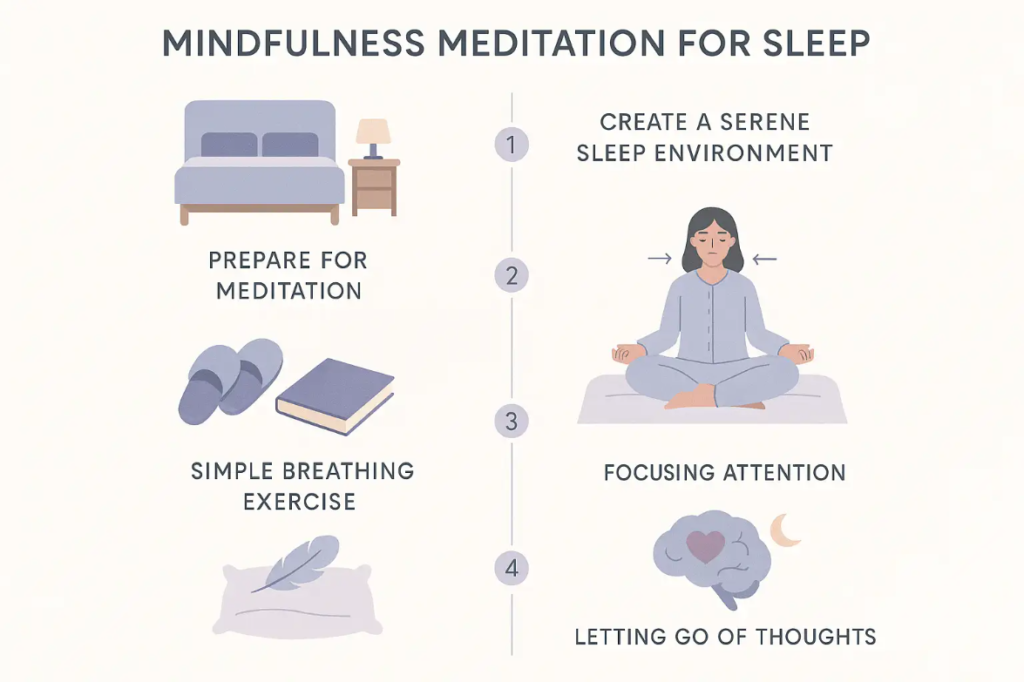
Many individuals find that combining several natural methods builds a stronger foundation for rest. Someone may practice yoga, drink chamomile tea, diffuse lavender oil, or use tart cherry supplements as part of their evening ritual. Chiropractic care complements these strategies by supporting spinal mobility and easing tension patterns that make it harder for the body to unwind. When adjustments help the nervous system function more smoothly, individuals often find it easier to integrate natural remedies into a routine that feels steady and calming.
Sleep difficulties are rarely caused by a single factor. They commonly involve a combination of physical tension, mental stimulation, and lifestyle habits. Chiropractic care does not treat sleeplessness, but it may help address one important contributor: the physical and neurological stress that interferes with nighttime relaxation.
When the spine does not move well, surrounding muscles may tighten to compensate. This tension can make it difficult for the body to fully relax in bed. Chiropractic adjustments support natural mobility, reduce strain, and encourage smoother movement patterns.
Many individuals describe feeling more relaxed after chiropractic care, especially with neurologically focused techniques such as TRT. When the nervous system becomes calmer, it may be easier to settle into nighttime routines.
Slouched posture, rounded shoulders, and forward head position may increase physical strain throughout the day. Poor posture contributes to fatigue and discomfort that may affect nighttime rest. Chiropractic care supports posture awareness and helps reduce tension that accumulates from daily habits.
Stress is a common cause of sleeplessness. Chiropractic care may help patients feel more balanced and better prepared to manage stress by improving neurological communication within the body.
Chiropractors can help patients identify daily habits that may contribute to evening tension. This guidance is individualized and tailored to the patient’s unique needs.
Chiropractic care does not replace medical treatment for sleep disorders, but it fits naturally into a supportive approach that focuses on physical ease, nervous system balance, and healthy routines.
Pregnancy often brings changes in sleep patterns due to posture shifts, hormonal changes, and physical discomfort. Many pregnant individuals experience difficulty finding comfortable sleeping positions or staying asleep through the night. At Desert Pine Chiropractic, we offer the Webster Technique as part of our prenatal care. This technique focuses on supporting pelvic balance and reducing strain without using force or pressure on the abdomen.
Pregnant patients often combine chiropractic care with natural sleep strategies such as warm baths, supportive pillows, side-sleeping positions, evening stretches, and consistent routines.
Chiropractic care during pregnancy is gentle and individualized. TRT may also be used when appropriate, depending on the patient’s stage of pregnancy and comfort level.
Healthy sleep relies not only on the body but also on the environment in which rest takes place. Many individuals overlook the influence of their bedroom environment on sleep quality. Simple modifications can have a meaningful impact on nighttime comfort.
Soft lighting in the evening signals the body to prepare for rest. Avoiding bright or overhead lights before bedtime can help the body transition more smoothly.
Most people rest more comfortably in a cool room. Adjusting the thermostat a few degrees lower at bedtime may help support deeper sleep.
Quality pillows and supportive mattresses reduce strain on the spine. Individuals with back or neck discomfort may benefit from pillow adjustments that support natural spinal alignment.
Some individuals find white noise or gentle sounds calming. Others prefer silence. The goal is to reduce sudden noises that may interrupt sleep.
A calm physical environment often supports a calm mental state. Keeping the bedroom uncluttered may help promote a sense of relaxation.
Reducing stimulating activities, such as intense conversation or problem-solving tasks, helps ease the transition into nighttime rest.
These environmental strategies work best when used alongside natural remedies, supportive chiropractic care, and consistent daily routines.
At Desert Pine Chiropractic, we offer a calm, welcoming environment where patients feel supported in their search for improved wellbeing. While we do not treat sleep disorders, we provide chiropractic care that supports the spine and nervous system, which play an important role in how the body handles stress and prepares for rest.
Many individuals report feeling calmer and more balanced after chiropractic adjustments. This sense of ease can help support nighttime routines and complement natural remedies for sleeplessness.
If sleeplessness is related to chronic discomfort, postural strain, or daily stress, chiropractic care may offer meaningful support as part of a larger plan.
Sleeplessness can affect physical, mental, and emotional wellbeing. Natural remedies offer simple and accessible ways to create a calming nighttime routine and support the body’s transition into rest. Chiropractic care adds another layer of support by promoting spinal mobility, posture awareness, and nervous system balance. Together, these strategies may help individuals feel more centered, more comfortable, and better prepared for restorative sleep.
At Desert Pine Chiropractic, we are committed to supporting patients through gentle, neurologically focused care that respects the body’s natural processes. If you are looking for guidance and support on your wellness journey, we welcome the opportunity to help you build a more comfortable and restful routine.
back pain, pain, sleep, health, sleep deprivation, insomnia, patient, nervous system, anxiety, sleeping, sleep problems, body, mood, pressure, sleep hygiene, sleep cycle, relaxation, pillow, circadian rhythm, stress management, sleep issues, naturopathy, sedative, melatonin, bedtime, treatment, natural, treat, tryptophan, traditional chinese medicine, chamomile, blood pressure, serotonin, tea, health care, remedies, green tea, magnesium
desert pine chiropractic